Antarctica: first woman.
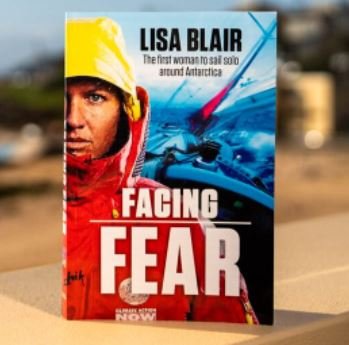
Lisa set out to become the first woman to sail solo, non-stop and unassisted around Antarctica. Seventy-two days in, her mast came crashing down. She saved her yacht, rebuilt, went back to the exact spot and finished the job.
The voyage
Waves the size of houses, and a mast in the water
Lisa departed Albany, Western Australia, on 22 January 2017, aiming to become the first woman to sail solo, non-stop and unassisted around Antarctica, and to beat the record set by Russian sailor Fedor Konyukhov in 2008.
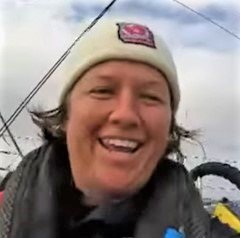
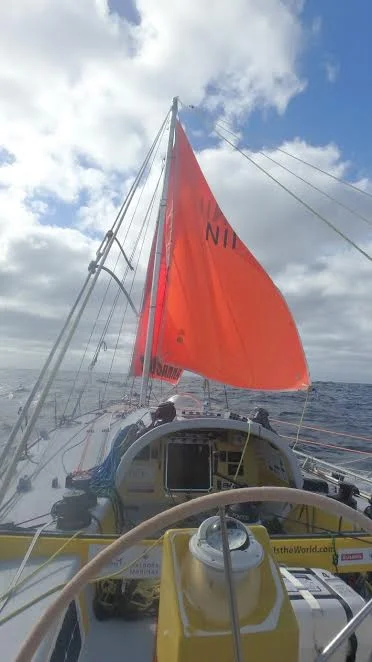
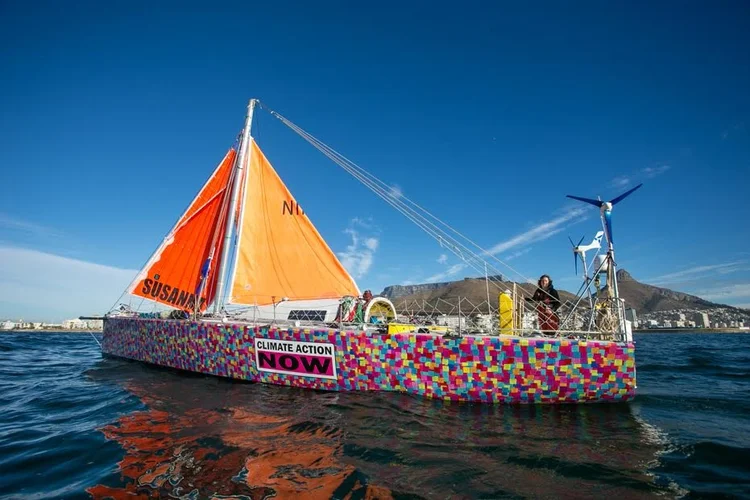
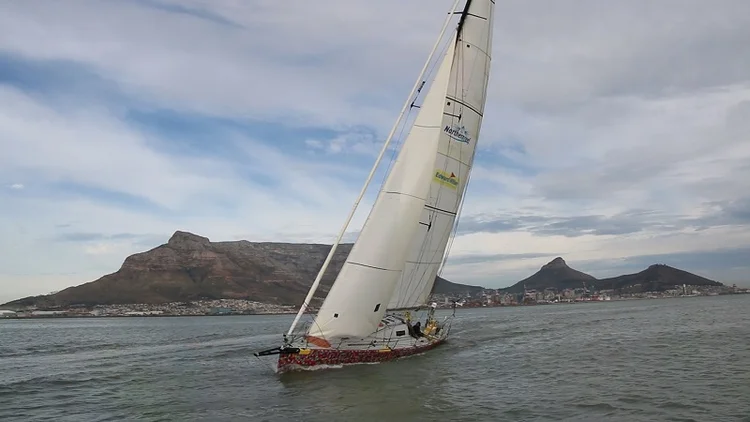
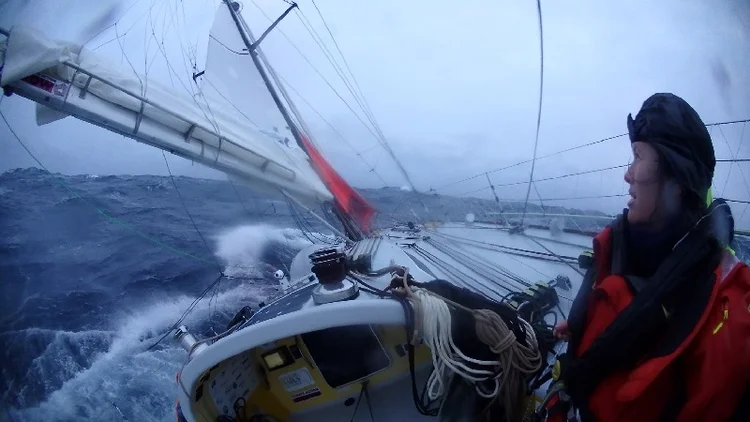
She battled waves the size of houses, freezing conditions, snow and hail storms, extreme isolation and fatigue. Then, on 4 April, three quarters of the way around the world and 72 days without seeing another boat or person, her mast came crashing down in the night during a storm. Her thoughts went from home to will I survive the night? After a four-hour battle in freezing conditions she saved Climate Action Now, and herself.
Lisa treated herself for hypothermia and limped north towards Cape Town under an active Pan Pan. A container ship delivered fuel, but during the dramatic transfer the 80,000-tonne ship collided with her 11-tonne yacht. Again she saved the boat. She built a jury rig from her boom and sailed safely into Cape Town after 81 days alone at sea.
After two months of repairs, Lisa sailed south again, crossed her position of dismasting and sailed the final leg home through the Southern Ocean winter. On 25 July 2017 she arrived in Albany to a hero's welcome: the first woman to sail solo around Antarctica, with one stop, between 45° and 60° South, crossing all tracks below 45° South.
Benchmark time: 103 days, 7 hours, 21 minutes, 38 seconds (time sailed solo below 45° South, excluding the dismasting, the Cape Town repairs and the restart).
Relive it day by day
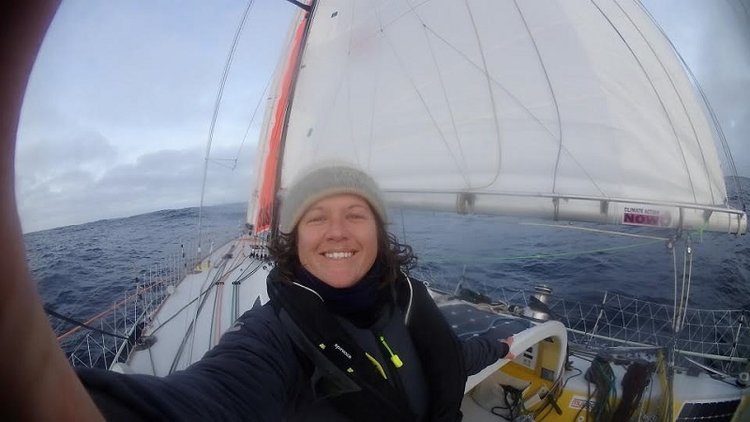
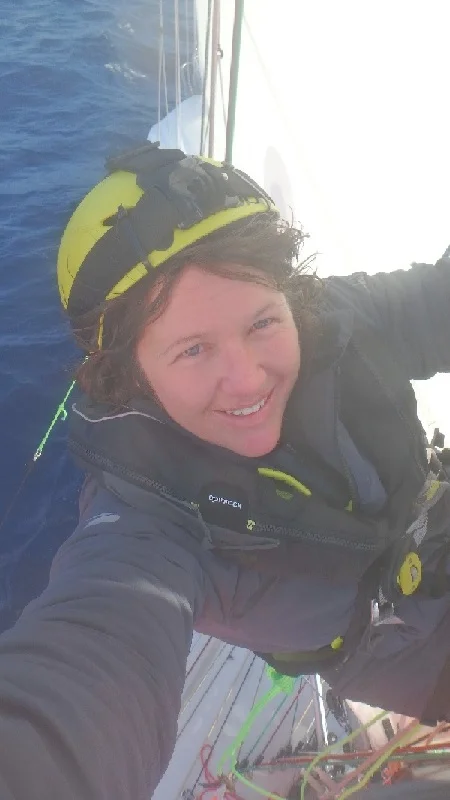
Lisa blogged from the boat almost every day. These are the moments people still talk about.
Next: the Arctic
In June 2028 Lisa sets out to become the first person to sail solo, non-stop and unassisted around the Arctic Circle.
The Arctic Impact Project Become a 360° Partner